Something hit the Earth at -17°, -107°, creating today's topography.
Catastrophism is nothing new
Wikipedia
Proponents of catastrophism proposed that each geological epoch ended with violent and sudden natural catastrophes such as major floods and the rapid formation of major mountain chains. Plants and animals living in the parts of the world where such events occurred became extinct, to be replaced abruptly by the new forms whose fossils defined the geological strata. Some catastrophists attempted to relate at least one such change to the Biblical account of Noah's flood.Neocatastrophism is the explanation of sudden extinctions in the palaeontological record by high magnitude, low frequency events (such as asteroid impacts, super-volcanic eruptions, supernova gamma ray bursts, etc.), as opposed to the more prevalent geomorphological thought which emphasises low magnitude, high frequency eventsdern theories also suggest that Earth's anomalously large moon was formed catastrophically. In a paper published in Icarus in 1975, William K. Hartmann and Donald R. Davis proposed that a catastrophic near-miss by a large planetesimal early in Earth's formation approximately 4.5 billion years ago blew out rocky debris, remelted Earth and formed the Moon, thus explaining the Moon's lesser density and lack of an iron core.[15] The impact theory does have some faults; some computer simulations show the formation of a ring or multiple moons post impact, and elements are not quite the same between the Earth and Moon.Hi, I’m Lillie. Previously a magazine editor, I became a full-time mother and freelance writer in 2017. I spend most of my time with my kids and husband over at The Brown Bear Family.
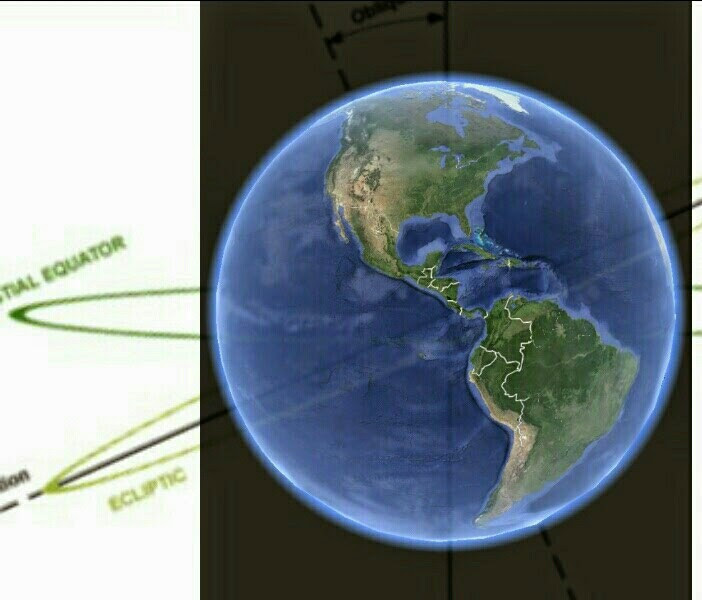
 Pac Man Impact Site Hypothesis (-17°, -107°) Pangea didn't happen