Years ago a friend gave me this globe.
It revolved on its axis, and had a bezel that allowed it to be turned upside down. To be funny, I displayed it with the equator up and down, with nothing but the Pacific showing. One day I noticed that the coast of Central and South America formed a crescent. A crescent is part of a circle. Could it be part of a crater wall?
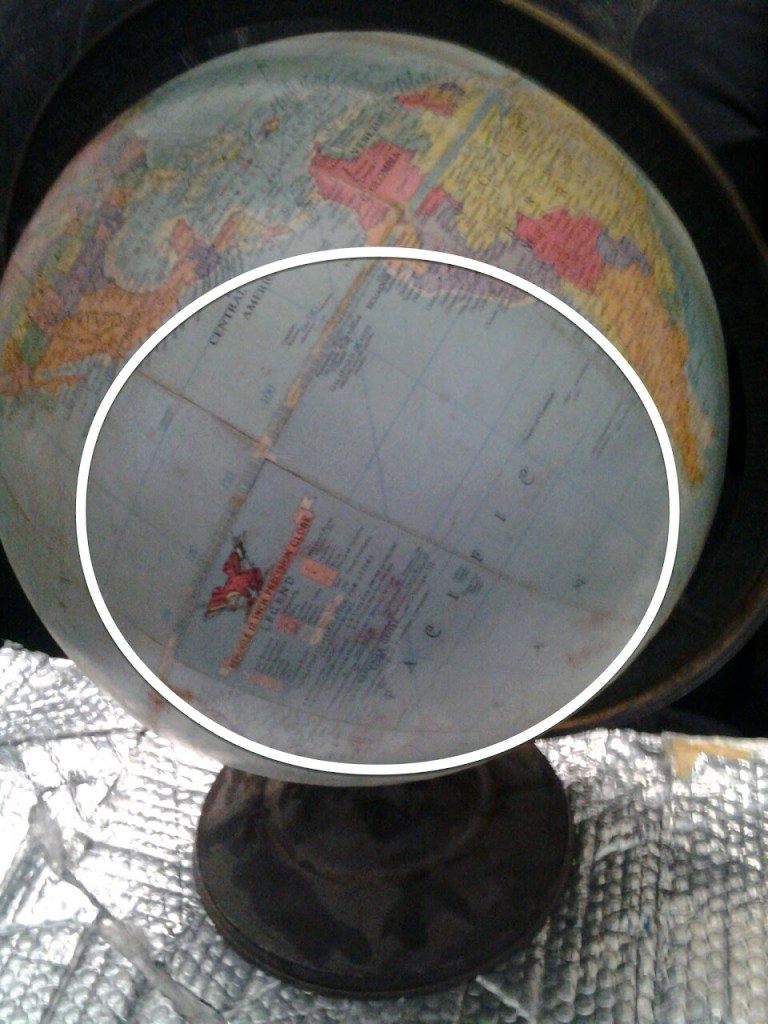
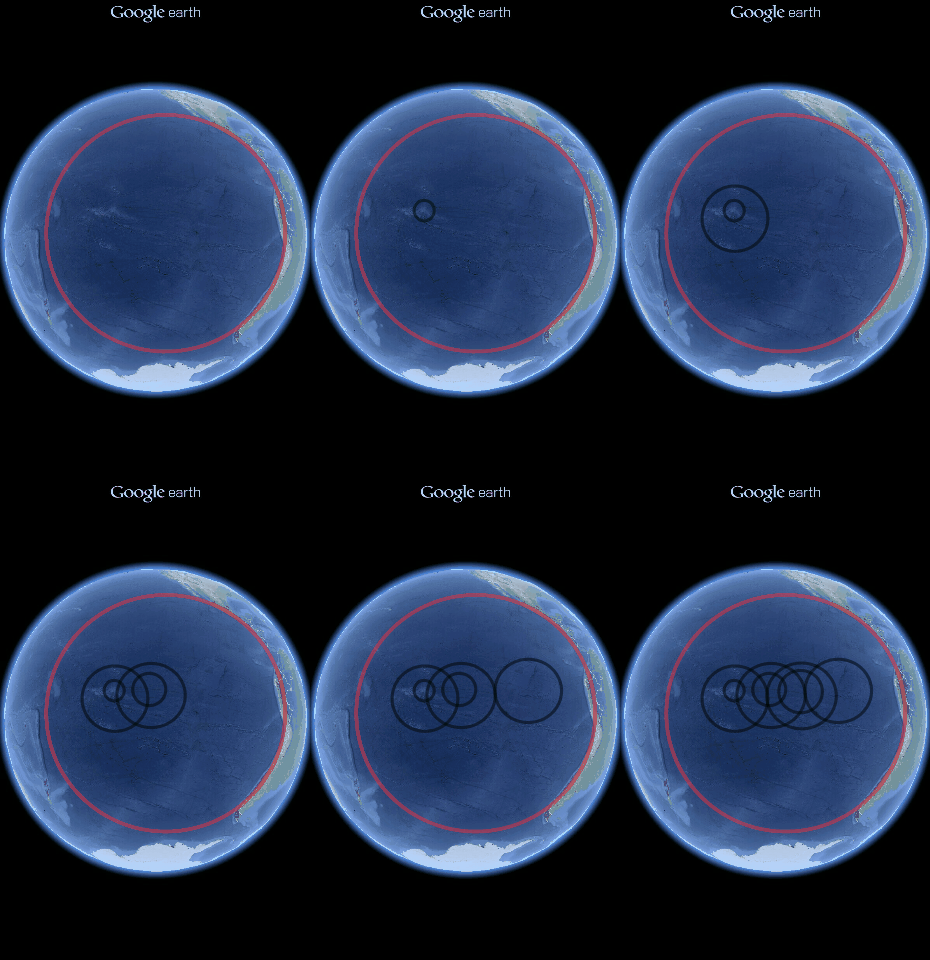
I made the crescent into a circle, and it was 6000 miles in diameter.
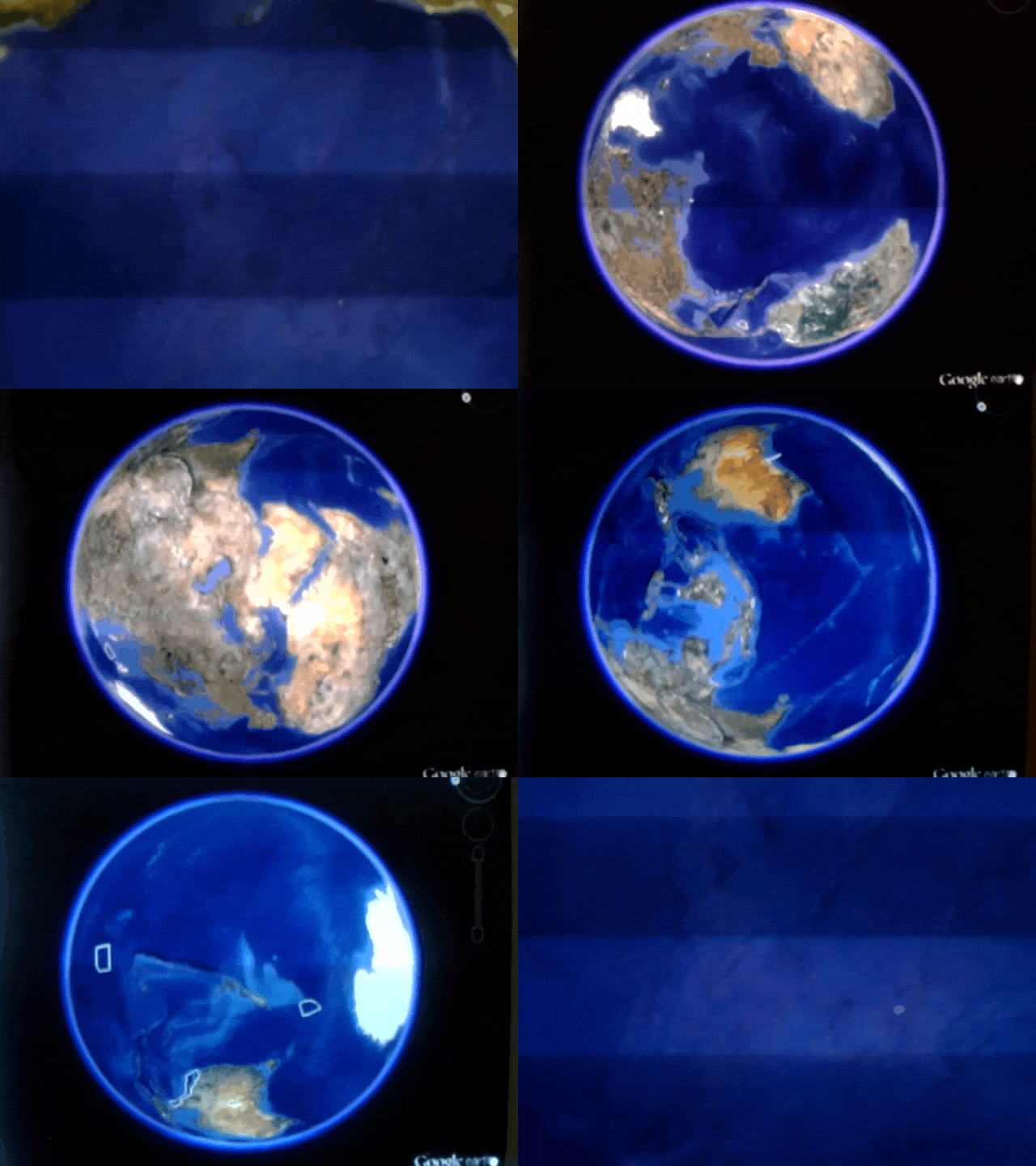
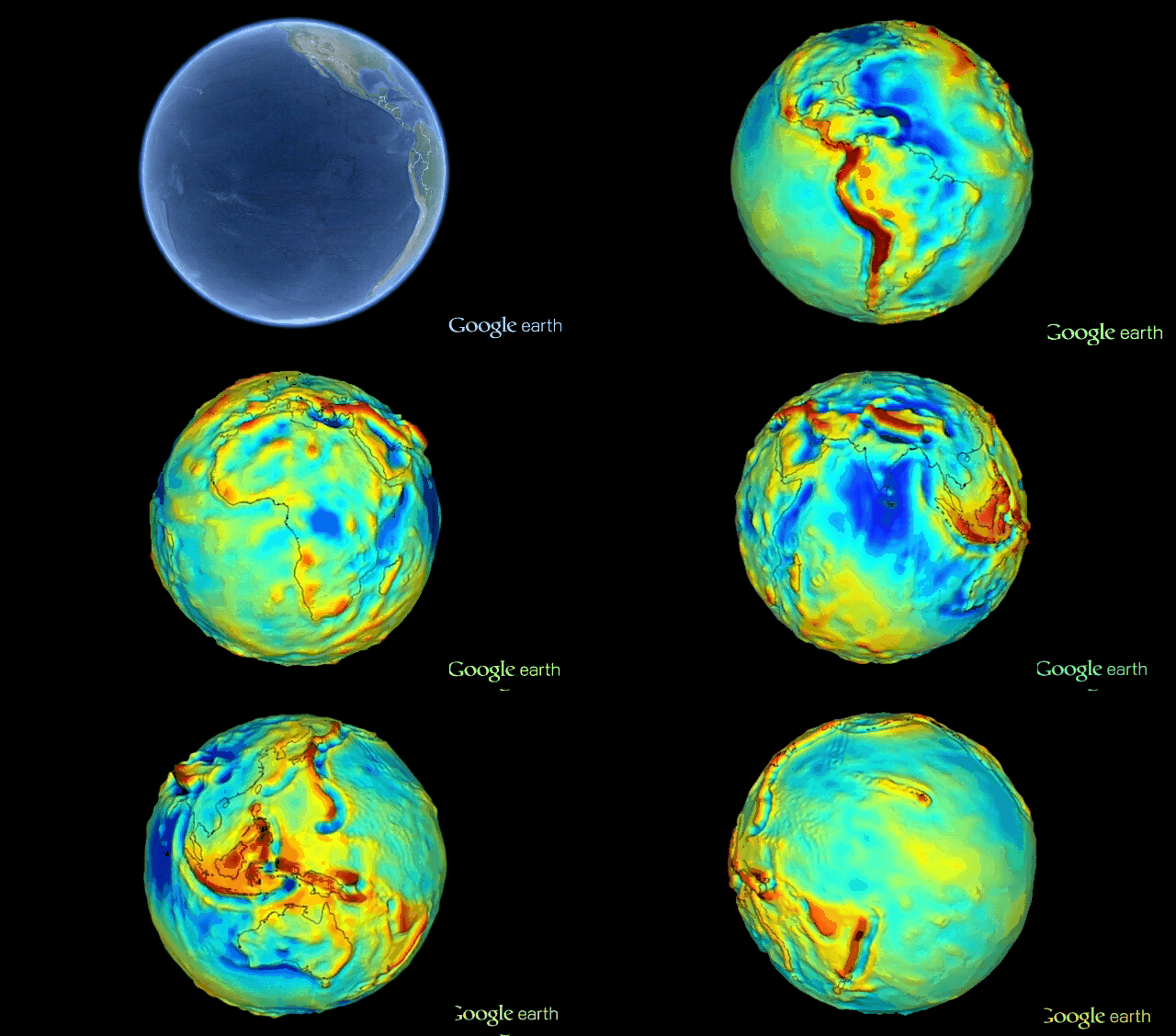
Later, I noticed that the Mediterranean lined up with the circle. Did something hit the Earth and split the crust when it tried to come out the other side? If so, there would be some kind of evidence on the sea floor. I found Google Earth. And there was a V with a square of better resolution making it darker right where Pac Man’s eye would be. The center of the “V” (Pac Man’s mouth) goes straight through the Mediterranean.
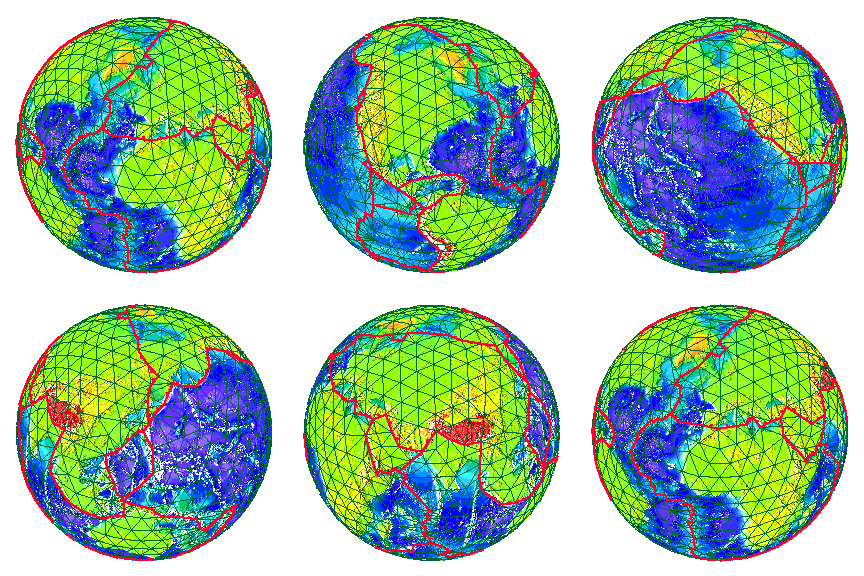
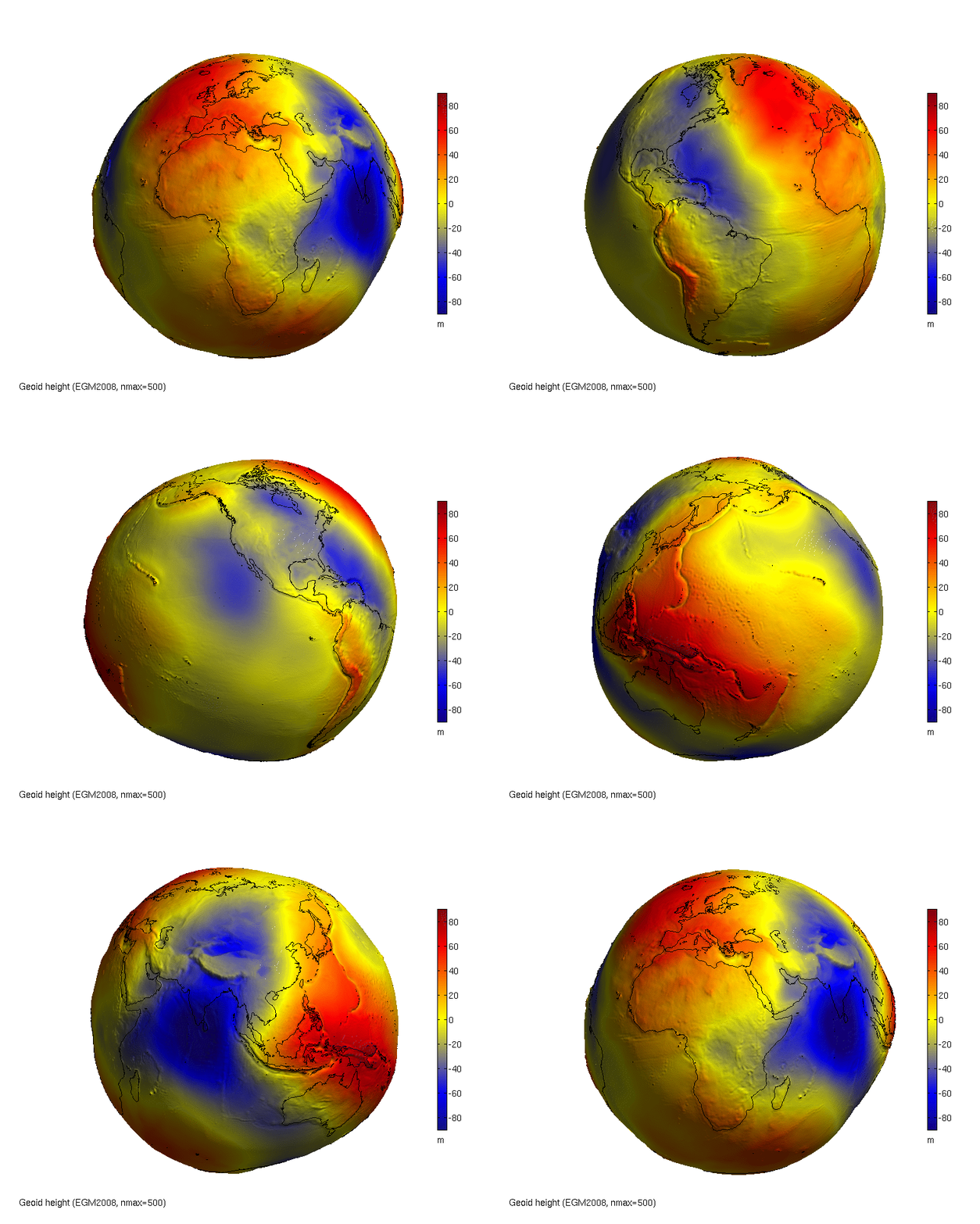
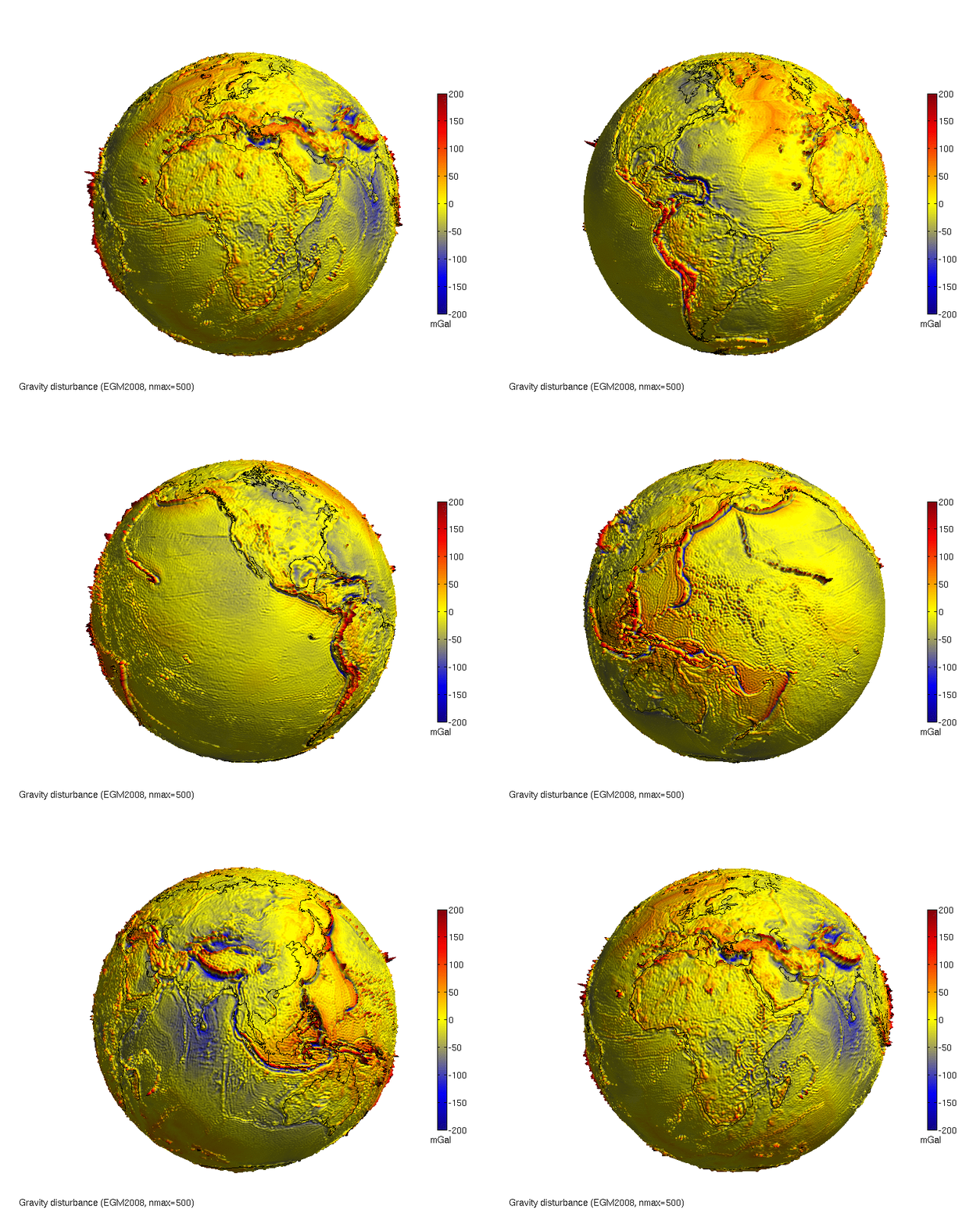
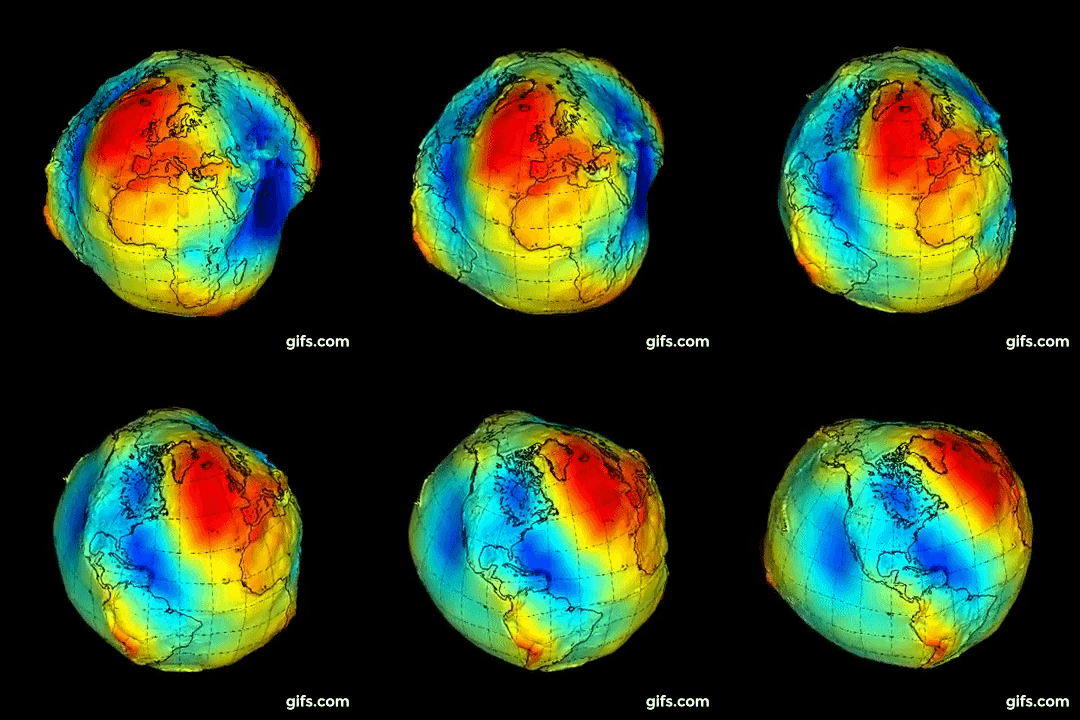
So I looked at Plate tectonic movement and boundaries, found out the highest mountain from the center of the Earth is in Ecuador. The mountain ranges on the west Coasts of Central and South America, like a crater’s edge would be, all seemed to indicate a bolide strike of gargantuan proportion. I kept trying to disprove it, and everything was either/or. It could have drifted apart, (South American, Africa) or been pushed apart.
In Antarctica the coast is closest to the South Pole below Tonga. It moves away from the Pole below where it would have started to go in. South of the tip of South America, where it would be creating the Atlantic, is where the Antarctic Peninsula. It’s almost like a phonograph needle leaving a groove on a record. Northwest of French Polynesia are Atolls that resemble bubbles. This is where the object would have been entering the Earth. Traveling from West to East near the equator, the object is pulled into the Earth by gravity and friction.
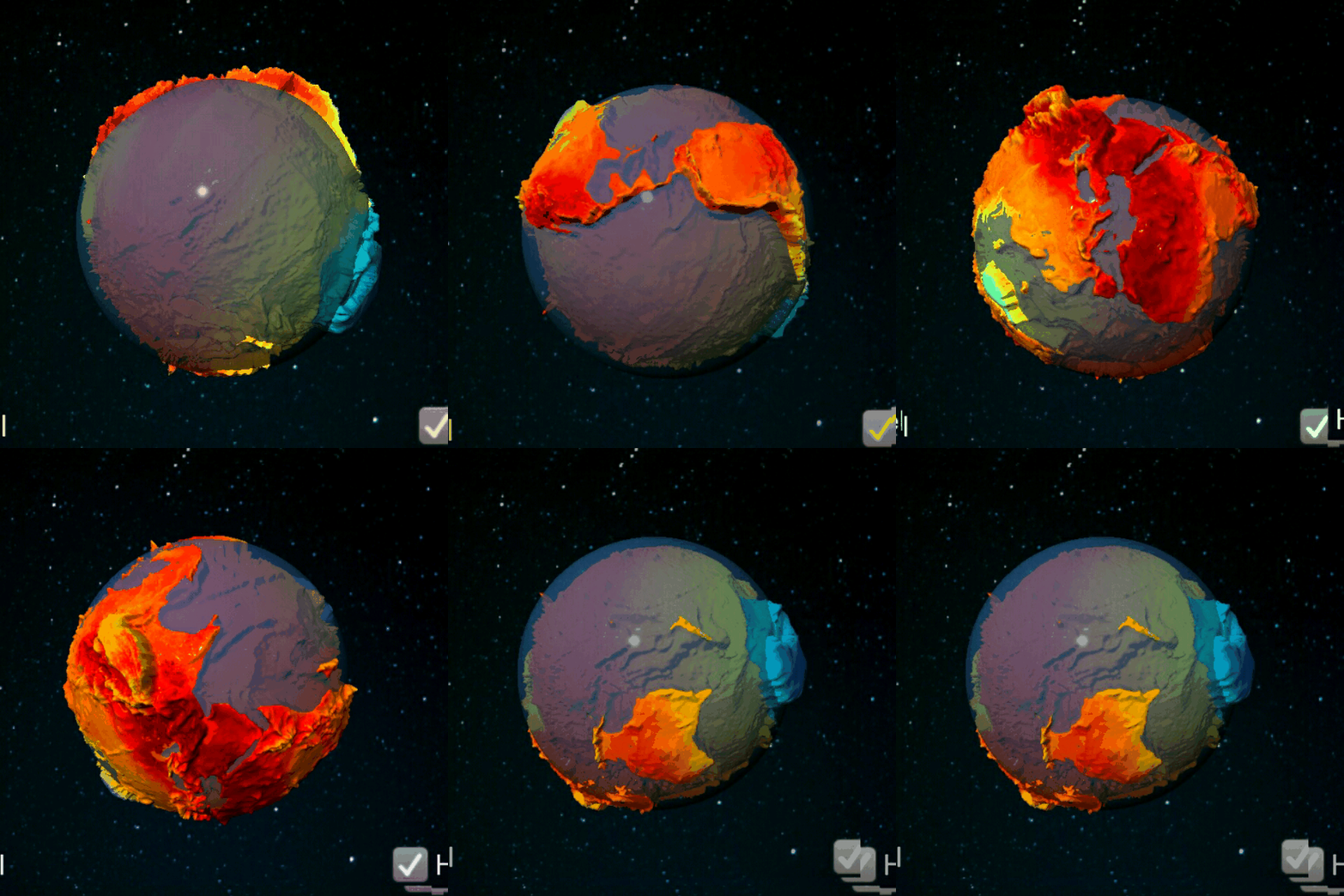
The object in this Theia simulation is probably 10 times larger than the PMIS bolide, but gives us an idea of the event.I don’t know what type of bolide struck the Earth. It seems larger than an asteroid, it was probably big enough to be spherical. But it happened suddenly and it reshaped the topography. So probably a planetoid, small moon, or comet
Not millions of years.
And a worldwide flood doesn’t seem beyond reason. Worldwide liquefaction is more like it. Mitochondrial DNA makes sense in this scenario.
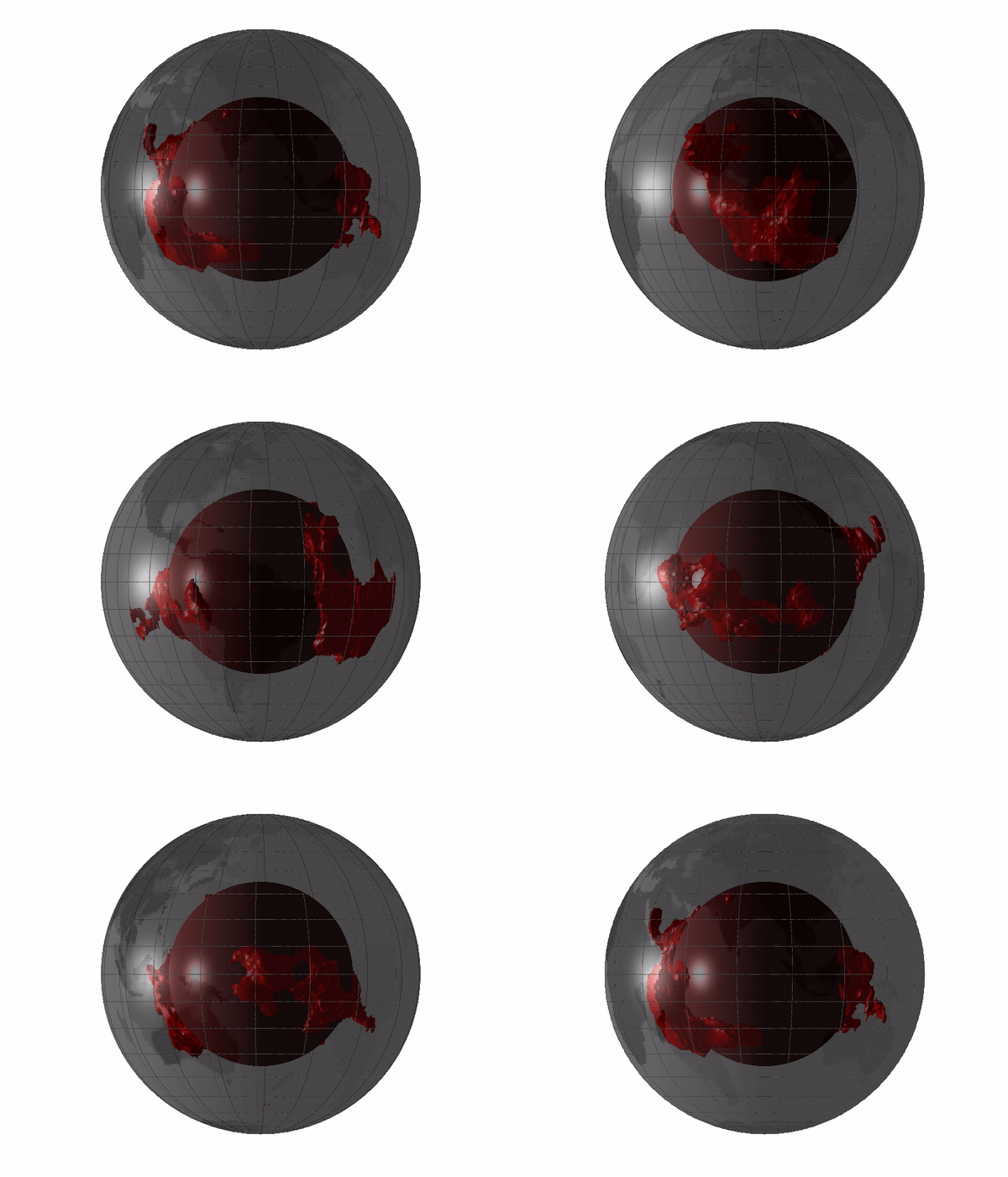
If there was a Theia, then the moon and everything else (near earth asteroids) is made of Earth+Theia= Eartheia. If the PMIS bolide was made of an Earththeia asteroid, wouldn’t it not change the composition of the Earth? How can you tell the difference between Earth, Theia, Eartheia, and more Eartheia? And there was life on Earth. Oil and Gas is worldwide. And organic. Venezuela and Saudi Arabia have most of the best quality, and they used to be next to each other. The Hawaiian islands, the deserts of the world, point to it tipping the planet. The Nazca plate subduction, the ancient continent next to New Zealand, the LLVZ’s and their placement, did I already say tectonic plate boundary direction and speed. Boundaries don’t move much because of subduction. And they’re going the wrong direction and speed for the Pangaea scenario. But it makes a lot of sense if it was an impact that buried almost everything, and completely rearranged the surface of the Earth.
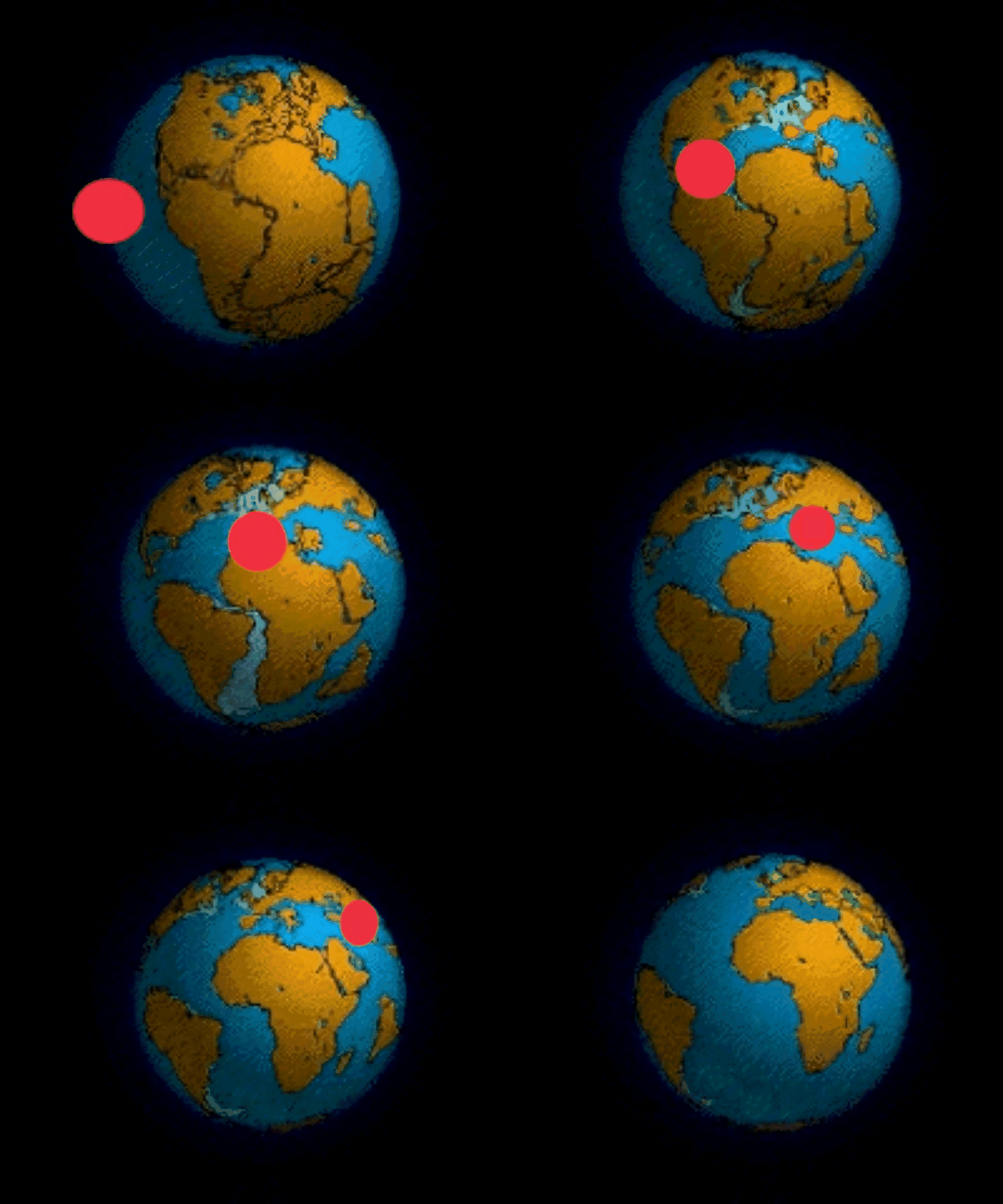
 Pac Man Impact Site Hypothesis (-17°, -107°) Pangea didn't happen